
These sample itineraries are simply suggestions for the kind of holiday you might have.
Yours will be tailored, altered, and refined until it perfectly matches you. Share your interests and pace — we’ll craft a bespoke itinerary with handpicked stays and expert guides.
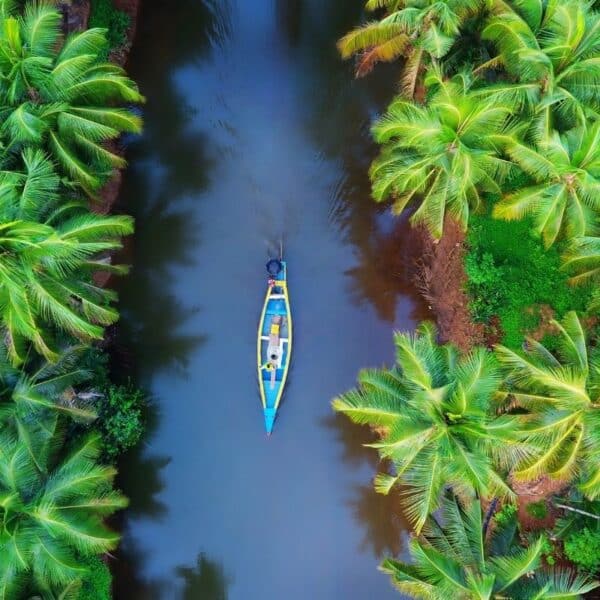
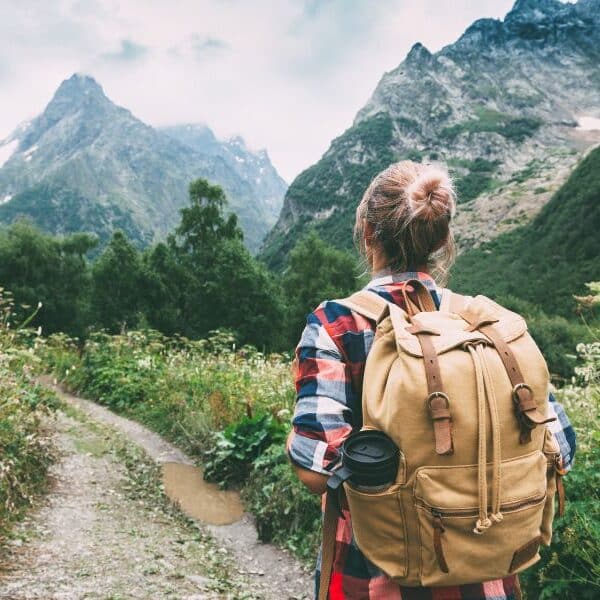
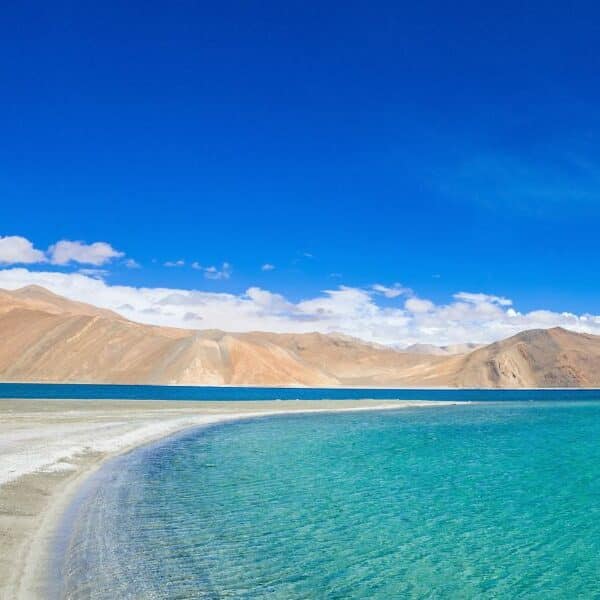
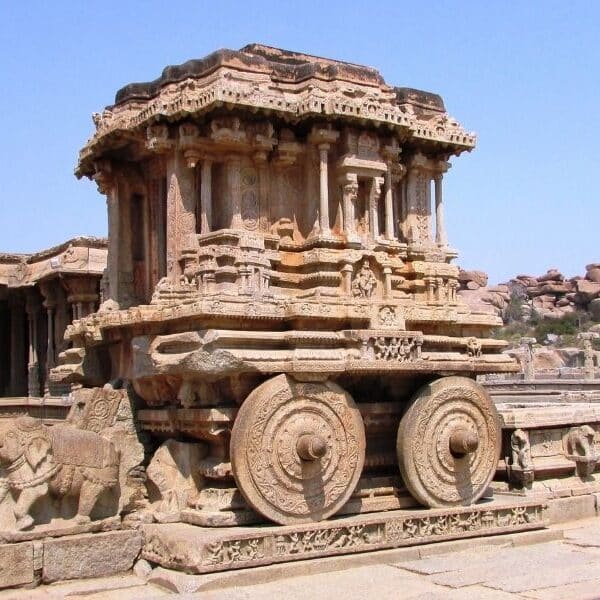
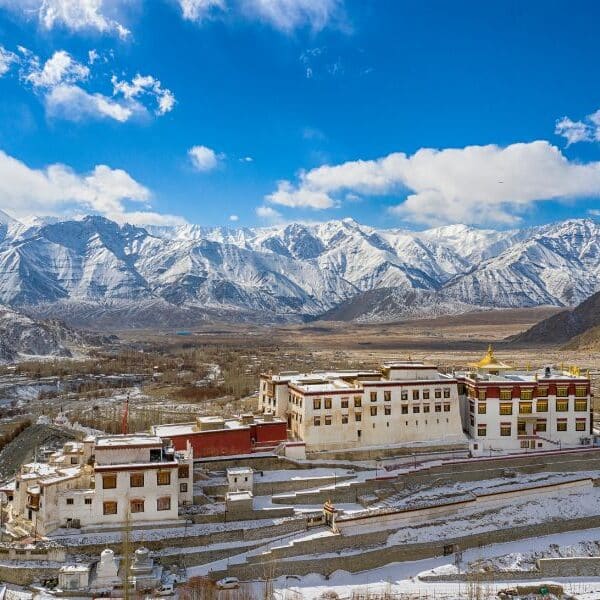
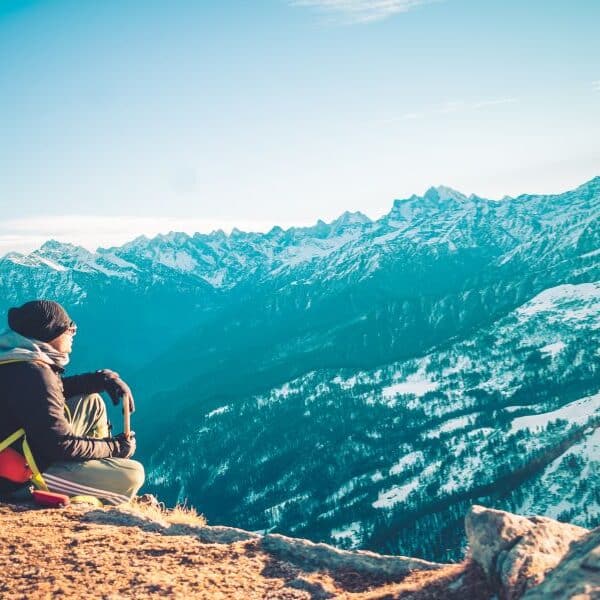
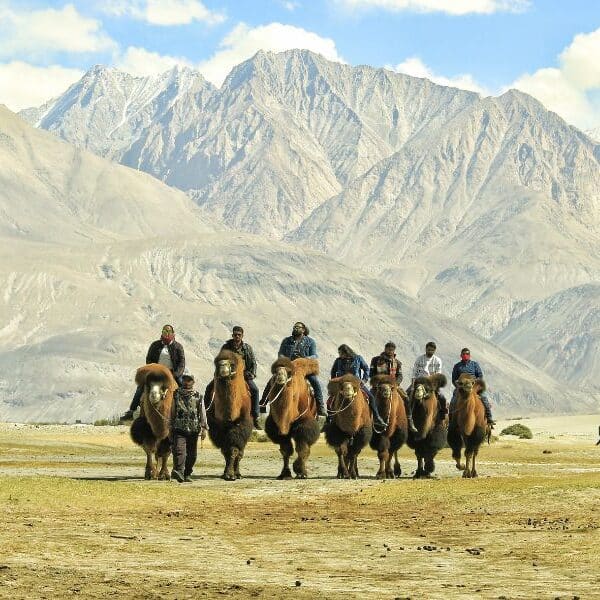
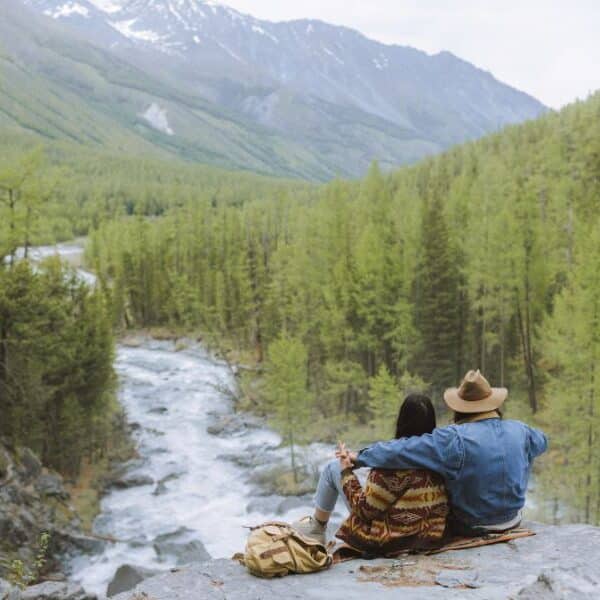
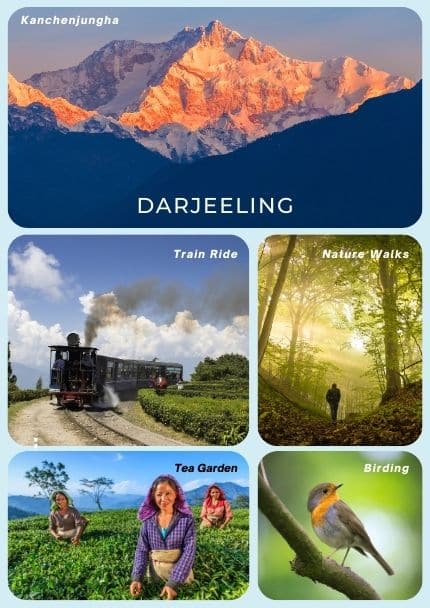
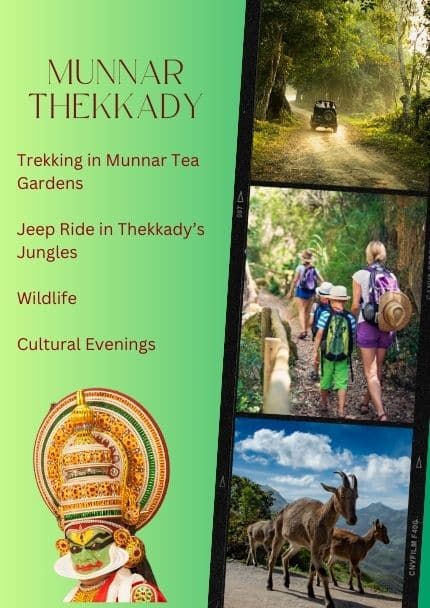
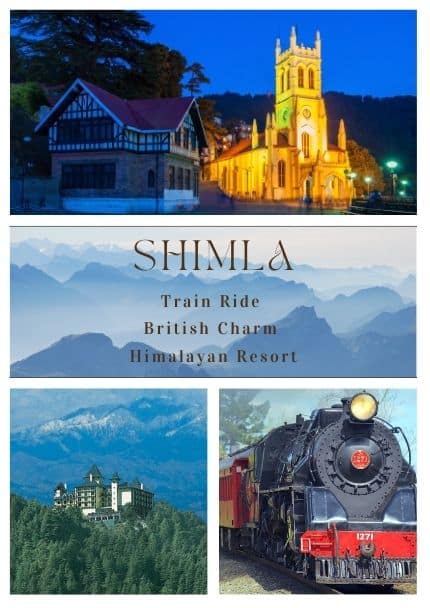
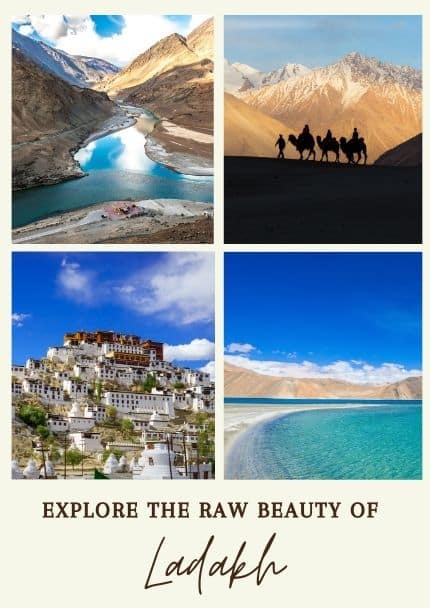
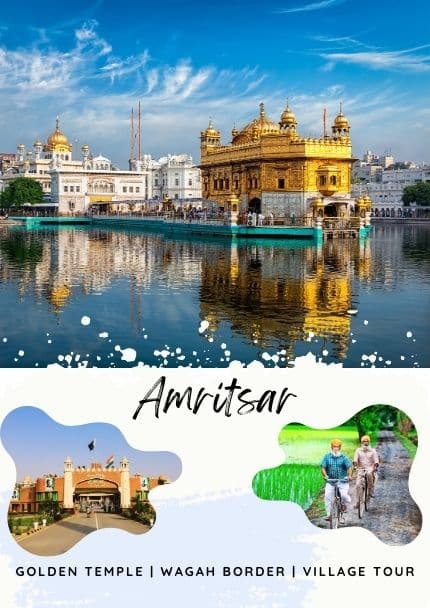
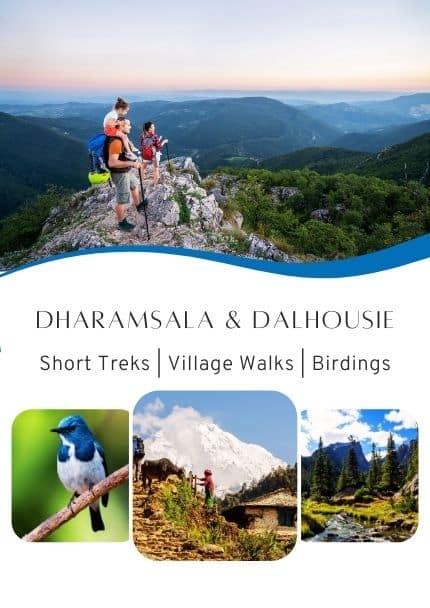
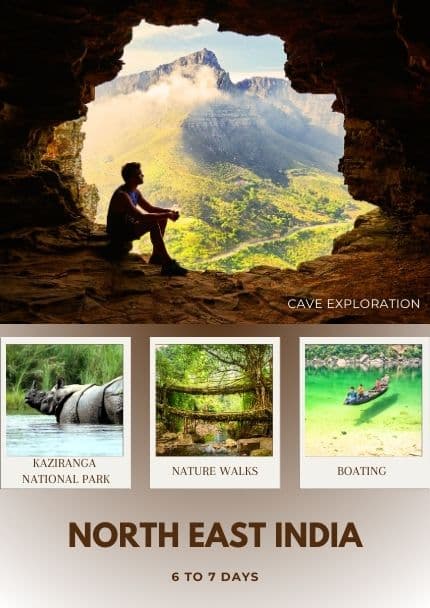
INDIA Trotter curates treks in the Himalayas (Uttarakhand, Himachal, Ladakh), the Western Ghats (Kerala, Karnataka), and select North East routes (Sikkim, Arunachal) depending on season, fitness level, and the kind of scenery you want—snow peaks, forests, tea hills, or remote valleys.
Yes. INDIA Trotter can plan beginner-friendly treks with gentle gradients and strong views—such as Triund (Himachal), Chopta–Tungnath (Uttarakhand), and Chembra Peak (Kerala)—with comfortable pacing and well-timed start hours.
Absolutely. INDIA Trotter often pairs treks with village experiences—guided walks, local craft interactions, and regional food—so your itinerary includes both landscapes and authentic rural life.
Yes. INDIA Trotter offers luxury trekking upgrades such as premium mountain lodges (where available), curated camp setups or glamping-style comforts, private support teams, and personalized guiding—without losing the essence of the outdoors.
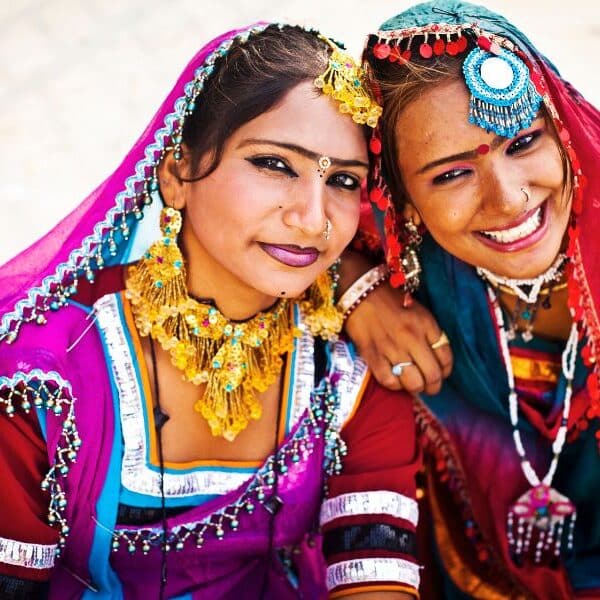
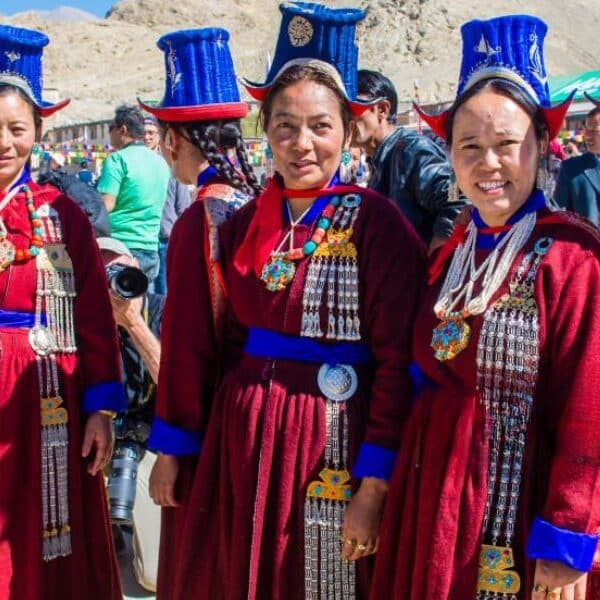
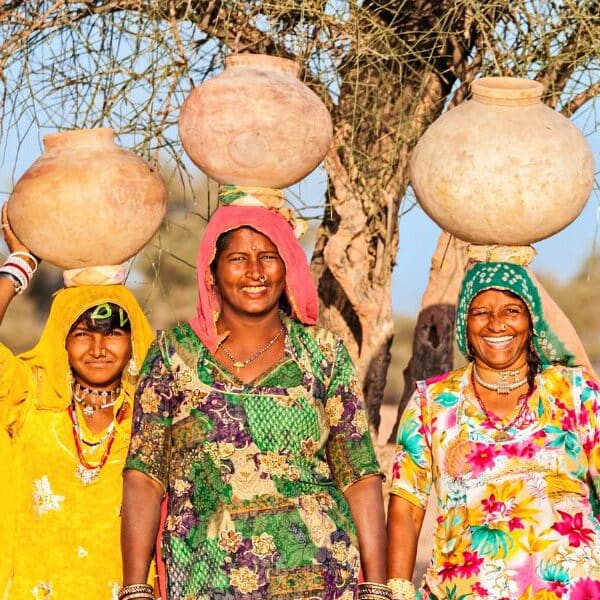
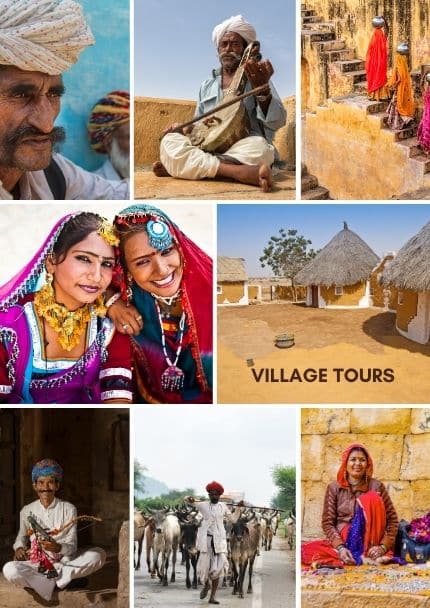
INDIA Trotter’s village tours focus on real cultural immersion—traditional lifestyles, craft and textile stories, home-style cuisine, and warm local hospitality—designed respectfully and away from commercial tourist circuits.
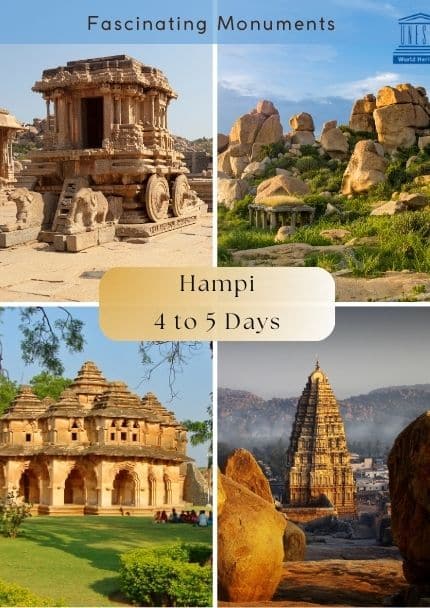
Yes. INDIA Trotter can integrate trekking and village stays into broader private itineraries—blending nature with heritage cities, UNESCO sites, wildlife parks, or wellness—based on your interests and travel rhythm.
INDIA Trotter can plan homestay or eco-stay style experiences in regions such as Spiti, Sikkim, and Meghalaya—where village-based accommodation adds cultural depth and supports local livelihoods.
INDIA Trotter typically recommends March to May and September to November for most trekking regions. Village tours can be planned year-round, with routing and comfort adjusted to weather patterns and local conditions.
Yes. INDIA Trotter structures village experiences to benefit local communities—using local hosts where possible, supporting artisan interactions, and prioritizing responsible, respectful cultural engagement.
Yes. INDIA Trotter can design village stays for multi-generational families with shorter walks, comfortable transfers, slower pacing, and safe, enriching experiences suitable for kids and seniors.
Depending on your route, INDIA Trotter can incorporate culturally rich village experiences around regions like Rajasthan (including community-based village life near Jodhpur), Kutch, Karnataka heritage belts, and select North East cultural hubs.
For comfort, safety, and authenticity—yes. INDIA Trotter manages logistics, vetted stays, route planning, and responsible local coordination so your trek and village time feels seamless rather than uncertain.
Yes. INDIA Trotter specializes in private journeys, which means your trek pace, rest stops, and village interactions can be tailored—without group pressure or fixed schedules.
It depends on the trek. INDIA Trotter matches treks to your current fitness and comfort level—ranging from easy nature walks to moderate multi-day treks—so the experience feels challenging in the right way, not exhausting.
Yes. INDIA Trotter incorporates regional food experiences—from Himalayan home kitchens to North East tribal-inspired meals and South Indian village cuisine—while keeping dietary comfort and hygiene standards in mind.
Yes, when planned correctly. INDIA Trotter arranges experienced guides, sensible daily distances, weather-aware routing, and practical safety considerations—especially for altitude, terrain, and remote stretches.
In select regions, yes. INDIA Trotter can include village-adjacent boutique stays or comfort-forward properties that retain rustic character while offering upgraded amenities, curated craft experiences, and wellness add-ons where suitable.
Yes. INDIA Trotter can route you into quieter valleys and lesser-visited villages—ideal for travelers who want a true disconnect, deeper cultural discovery, and landscapes without crowds.
Sometimes. For parts of Sikkim and sections of North East India, permits may be required. INDIA Trotter guides you on what applies to your exact route and helps plan accordingly in advance.
Absolutely. INDIA Trotter plans routes that are naturally cinematic—golden-hour viewpoints, village morning life, forest trails, and dramatic mountain backdrops—ideal for photography, journaling, and documentary-style storytelling.
Yes. INDIA Trotter often blends premium city hotels with rural and mountain experiences—so you enjoy both refined comfort and authentic, nature-led adventure in one itinerary.
For easy to moderate treks, INDIA Trotter typically recommends good trekking shoes, layered clothing, and a daypack. If your route needs additional gear, we advise you in advance and structure the plan accordingly.
In some cases, yes—if it is ethical, meaningful, and locally appropriate. INDIA Trotter can advise on responsible options and help you choose experiences that genuinely support communities rather than disrupt them.
INDIA Trotter encourages responsible travel practices—sensible waste management, respect for local ecosystems, and community-supportive stays—especially in fragile mountain and village environments.
Because INDIA Trotter combines adventure with cultural depth—private planning, trusted logistics, carefully paced trekking, authentic village immersion, and comfort-led choices—so you experience India’s landscapes and communities in a refined, responsible way.